The Copilot Shift: Why Your Enterprise Search Strategy Just Went "Agentic"
Microsoft's 2025 Copilot Report and new Webmaster Tools metrics reveal a shift to "Citations." Learn to master the AI Performance dashboard with Brandlight.
For years, "Search" meant a user, a query, and a list of links. In 2026, that model is crumbling. Microsoft’s latest Copilot Usage Report reveals a fundamental shift: users aren't just looking for information; they are seeking collaboration. With over 50 million health queries daily and "Work and Career" topics dominating business hours, Copilot has moved from a sidebar experimental tool to the central nervous system of the modern office.
At Brandlight, we’ve analyzed the data: enterprise brands are seeing a "visibility cliff" in traditional SEO, but those appearing in Copilot citations are seeing a massive surge in brand trust scores. The question is no longer "How do I rank #1?" but "How do I become the source of truth for the AI agent?"
Decoding the AI Performance Dashboard
On February 9, 2026, Microsoft changed the game by launching the AI Performance Report in Bing Webmaster Tools. This is the first time marketers have been given a "look under the hood" of generative search:
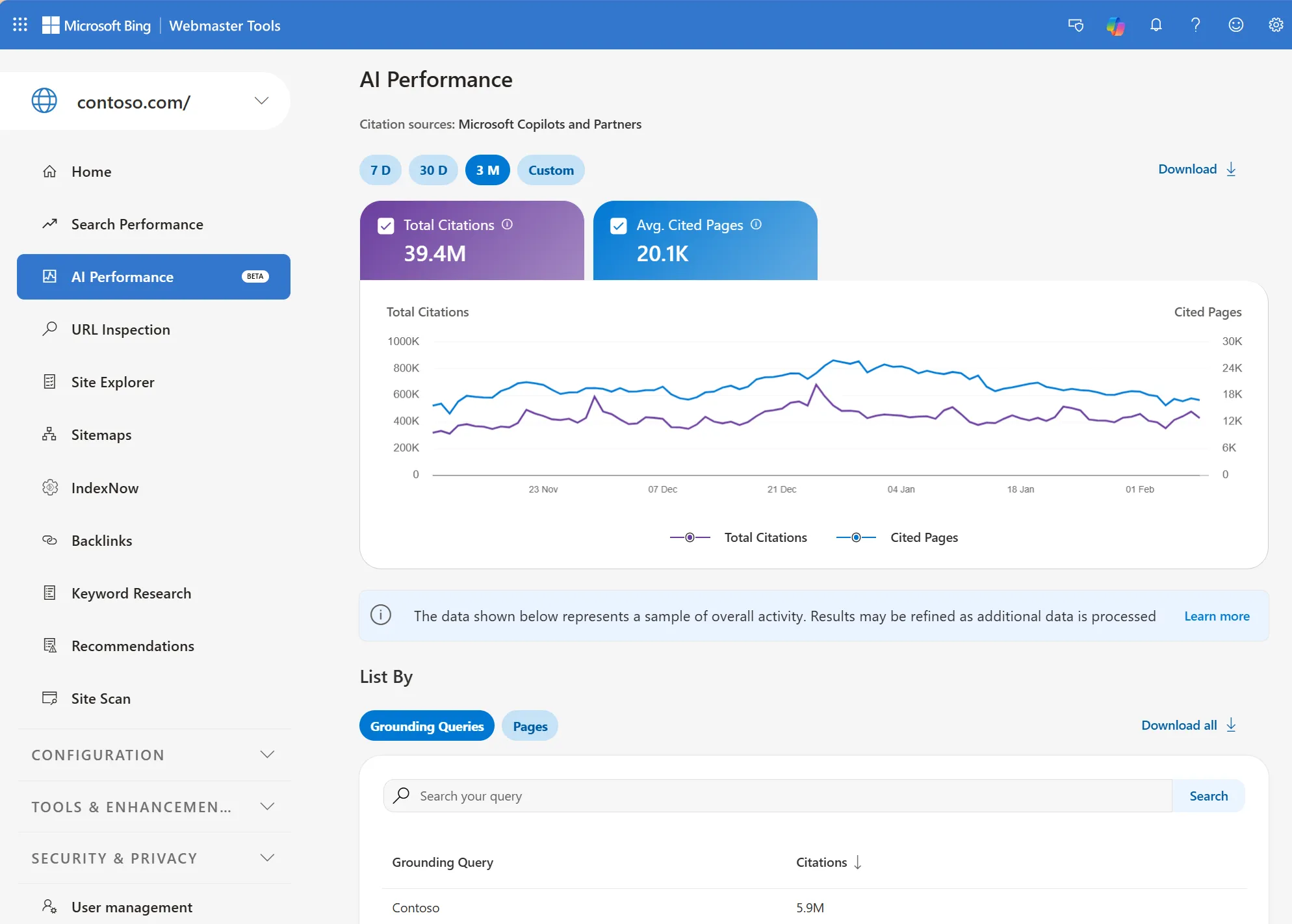
The 4 Metrics That Matter Now:
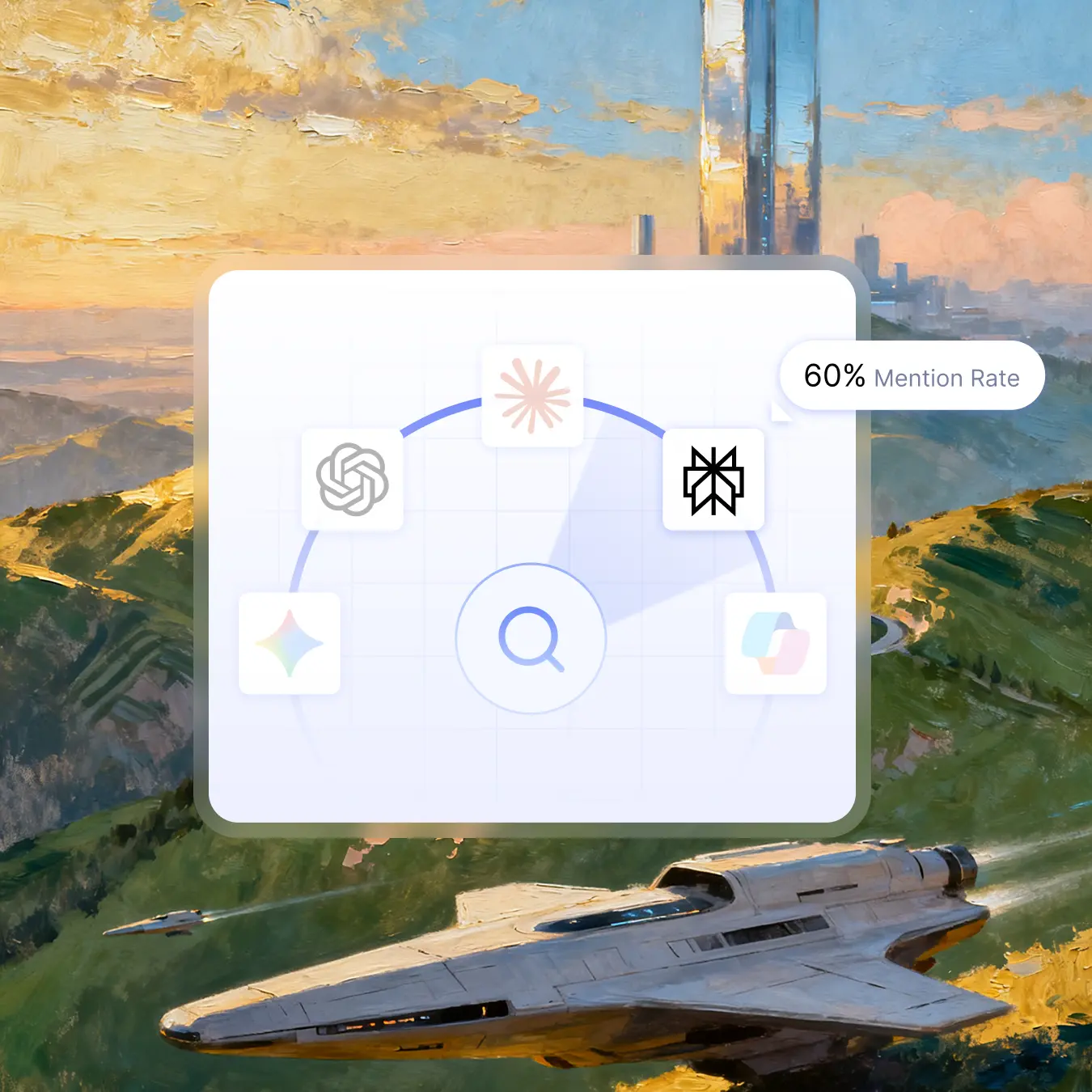
- Total Citations: The number of times your site was a cited source in an AI-generated answer.
- Average Cited Pages: How many unique URLs from your domain are being used to "ground" AI responses daily.
- Grounding Queries: This is the "holy grail." It shows the specific phrases the AI used to retrieve your content—which are often completely different from what the user typed.
- Visibility Trends: A timeline showing how your "Citation Authority" fluctuates as you update your content.
Expert Insight: "AI Performance isn't about traffic; it's about participation. If your brand isn't in the citation list, you don't exist in the user's decision-making loop." — Source: Microsoft Advertising, "AI Search Demystified" (Feb 2026).
A Practical Guide to Copilot Visibility (GEO)
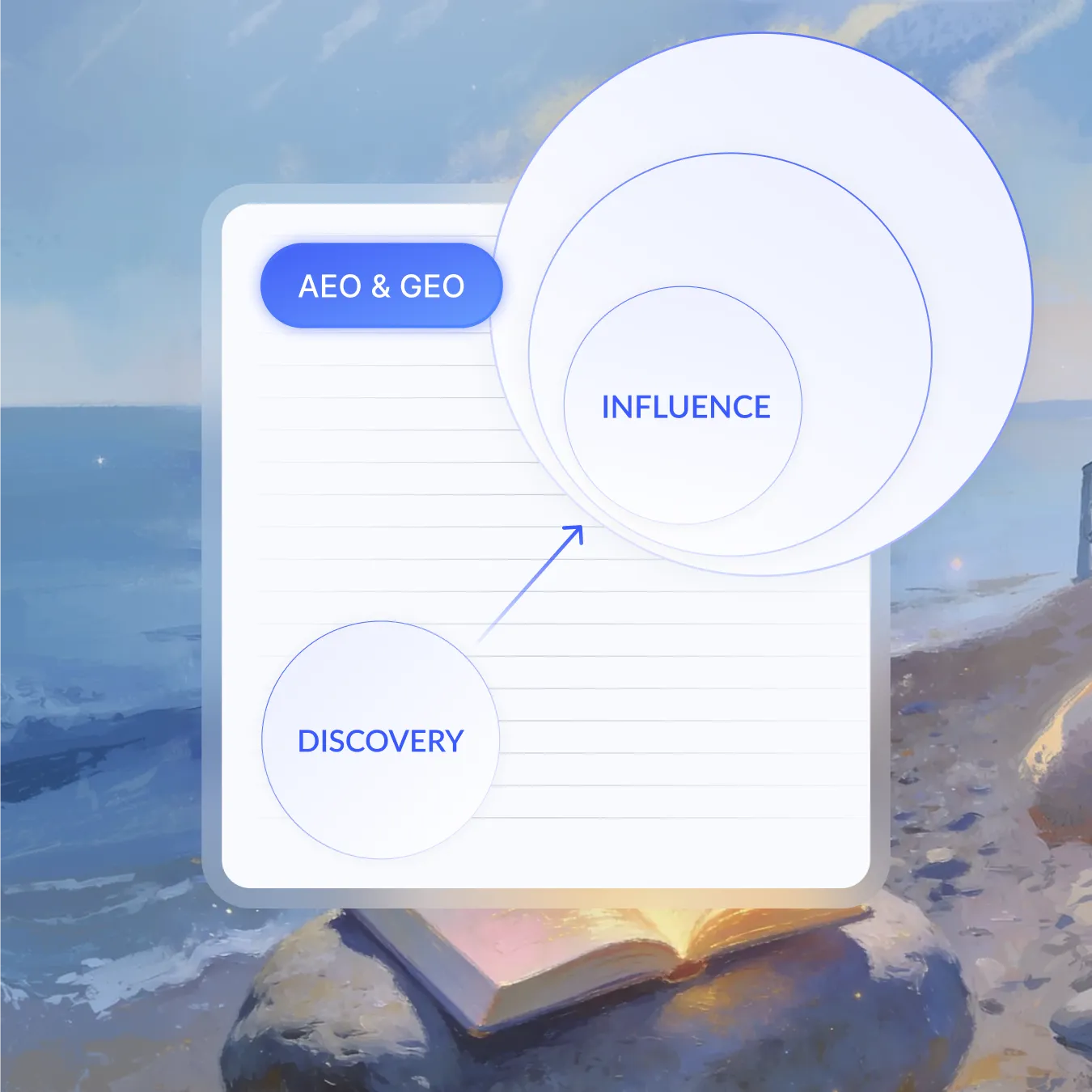
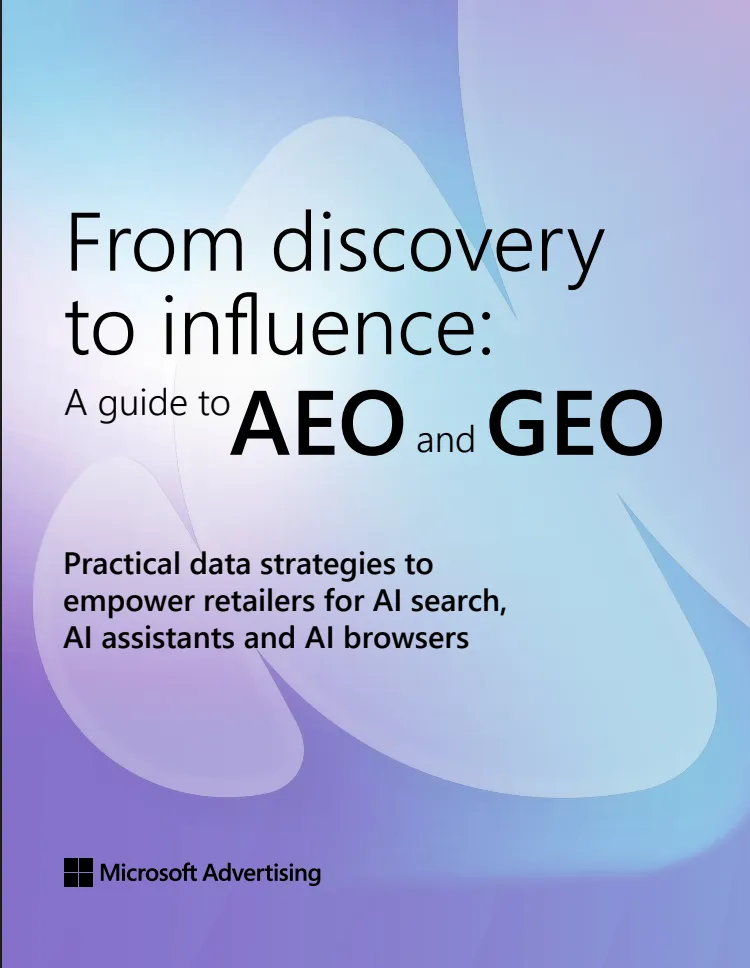
Based on Microsoft’s 2026 Practical Data Strategies Guide, we’ve refined a three-pillar framework to help enterprise brands move from being "searchable" to "agent-ready."
Pillar 1: Machine-Readable Crawled Data
Copilot uses Bing’s index as its "world knowledge." To be cited, your content must be "chunkable."
- Action: Use H2/H3 headers as questions and the following paragraph as a direct, factual answer. Avoid fluff; AI "scouts" look for high information density.
Pillar 2: The Language of APIs & Feeds
Structured data is the bridge between your brand and the agentic web. Microsoft’s guide emphasizes that Merchant Feeds and APIs are the new SEO.
- Action: Ensure your Schema.org markup is exhaustive. Don't just list products; list attributes like "durability," "enterprise-grade," and "compliance specs." This helps Copilot answer complex "comparison" queries.
Pillar 3: Live "Source of Truth" Data
LLMs value the "Live Pull." When a user asks for "Current pricing for Enterprise CRM," Copilot looks for the most recently modified data.
- Action: Implement
dateModifiedtags in your schema and ensure your site’s internal search is robust. AI agents often "interact" with sites to find the latest data.
How Brandlight Solves the "Black Box" Problem
Most enterprise teams are flying blind, guessing why they aren't being cited. Brandlight provides the measurement layer that Bing doesn't—we track competitor citation share. We don't just tell you that you were cited; we tell you why your competitor was chosen for the "Top Recommendation" spot and what data point you're missing to reclaim it.